
Fibromyalgia and widespread pain
We cannot cure fibromyalgia. We may be able to help you hurt less.
That distinction matters, and plenty of places blur it. What we can treat is the joint and muscle pain that sits on top of fibromyalgia and makes it harder to carry — and for some people that is a real difference.
You are not imagining it
Fibromyalgia is real, and being told repeatedly that your tests are normal does not mean otherwise. You will not have to argue that case here.
We will be honest about what we can do
We are not going to tell you that adjustments cure fibromyalgia. If a course of care is not helping you, we will say so and stop.
A gentle technique is available
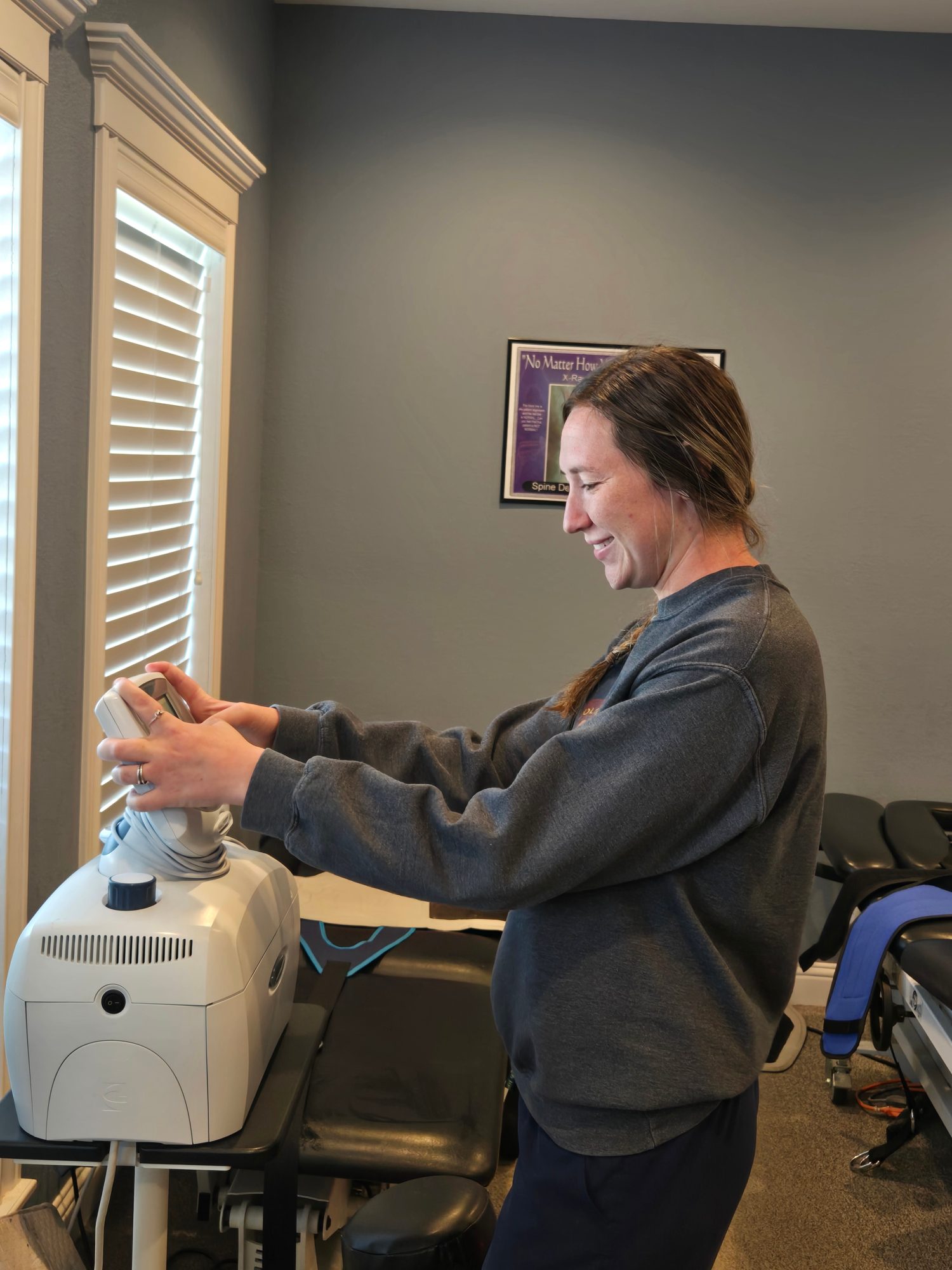
Widespread pain and sensitivity change how much force is appropriate. A gentle technique is available, and treatment is matched to what you can tolerate.
What people describe
Widespread pain, and everything that comes with it.
Fibromyalgia rarely arrives alone. Alongside the pain there is usually exhaustion, poor sleep and a body that reacts to more than it used to — and the musculoskeletal part of that is the part we can examine.
- Widespread aching rather than one specific site
- Deep fatigue that rest does not resolve
- Unrefreshing sleep, and waking stiff
- Tenderness to pressure in particular spots
- Neck and back pain layered on top of the general ache
- Flare-ups after activity, stress or a poor night
If neck or back pain is part of your picture, that part is worth examining on its own terms — whatever else is going on.
How we work
Treat what is treatable, honestly.
Dr. Morgan’s standard is plain: we only accept patients for care when we believe we have found the underlying cause, and we only continue care when we are helping. That applies here more than anywhere.
01
We separate the strands
Which pain is widespread and which is mechanical and local. The second kind is what chiropractic care addresses, and it is often a bigger share than people expect.
02
Then we examine gently
Joint restriction, muscle tension and range of motion, at a level of force appropriate to how sensitive you are. Imaging only where it is warranted.
03
You get told what we found
Including a straight answer about how much of your pain we think we can affect. That number may be smaller than you hoped, and you should hear it before you commit.
04
Care starts, and gets reviewed honestly
If it helps, we carry on. If it does not, we stop and say so rather than keep booking you in.
Your first visit
Bring what you have.
- Insurance card and driver’s license
- A list of the medications you take
- Previous medical records
- Previous x-rays, MRI or CT scans
If you have been managing this a while
These help us most.
- Your diagnosis, and who made it
- Everything you have already tried, and what each did
- Current medications, including anything for pain or sleep
- What a flare-up typically follows
- Which areas hurt most consistently
You have probably had to justify this condition to people before. You will not have to here — bring the history so we can work with it, not so you can prove anything.
Patient stories
What changed for them.
“Before I started my treatments with Dr. Morgan I had a hard time standing up properly due to muscle cramps as well as a stiff and sore neck. After several treatments with Dr. Morgan, I can walk longer distances without pain and I no longer have neck pain or cramps in my back.”
J. R. Shirley
Muscle cramps and neck pain
“Before coming in for treatment, I could not sit, walk or sleep. Now I feel young again. I’m more relaxed when I sleep and walk. I can ride in the car with more distance without hurting. This is the first and only place I will come from now on.”
J.J.
Widespread pain and mobility
Ask us what we think we can do.
Call and describe what you are dealing with. We will tell you honestly whether an examination is worth your time before you book one.