
Back and neck pain
Hurting every day is not something you have to get used to.
Back and neck pain that keeps coming back is usually a mechanical problem, not a mystery. We examine, x-ray where it is warranted, explain what we find, and tell you honestly whether we can help.
You do not need a diagnosis first
You do not have to know what is wrong before you call. Describing where it hurts and what makes it worse is enough to start with.
We will tell you if we cannot help
Not every back is a chiropractic problem. If the examination points somewhere else, we say so and point you at the right person.
Long-standing pain still responds
Years of putting up with it does not mean you have missed your chance. It usually means the cause has never been looked for properly.
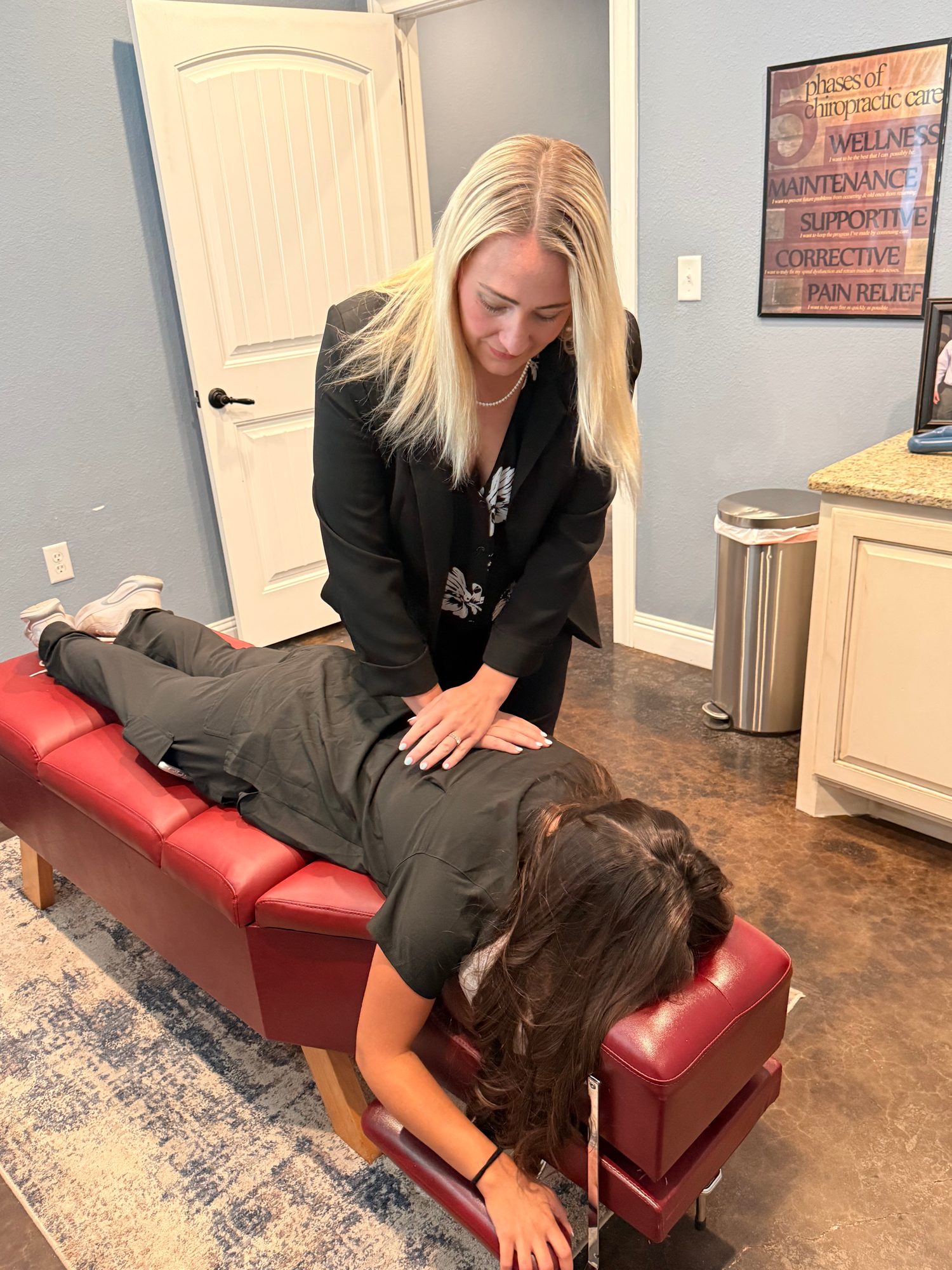
What we look for
Where it hurts is not always where the problem is.
The spine works as a chain. A joint that has stopped moving properly in one place forces the segments around it to take up the slack, and the ache often shows up somewhere other than the restriction causing it. That is why treating the sore spot alone tends to buy a few days at a time.
- Lower back pain — worse after sitting, or first thing in the morning
- Neck pain and stiffness — checking a blind spot, or after a day at a screen
- Pain that travels — into a hip, down a leg, across a shoulder or into an arm
- Muscle spasm — the back that “goes out” lifting something ordinary
- Numbness or tingling — in a hand, a foot, or down one side
- Sleep you cannot get comfortable in — and waking up no better
None of this means something is seriously wrong — and none of it means nothing is. That is the point of an examination.
How we work
Find the cause, then treat it.
Dr. Morgan’s standard is plain: we only accept patients for care when we believe we have found the underlying cause, and we only continue care when we are helping.
01
We listen to the history first
When it started, what makes it worse, what you have already tried. Most of what points to the cause is in the story, before anyone touches anything.
02
Then we examine and image
Range of motion, reflexes, muscle and joint response, and digital x-rays on site where they are warranted. We would rather look than guess.
03
You get told what we found
In plain language, with the images in front of you, including what we did not find. If care makes sense, you hear roughly how long and how often before you commit to anything.
04
Care starts, and gets reviewed
Adjustment, and cold laser or rehab work where it helps. You get a plan you understand, and it changes as you respond to it. If you are not improving, that is information too.
Your first visit
Bring what you have.
- Insurance card and driver’s license
- A list of the medications you take
- Previous medical records
- Previous x-rays, MRI or CT scans
If you have had this before
What already helps us most.
- Roughly when the pain started
- What you have already tried — and what it did
- Any imaging from another clinic, even if it is old
- Injuries, falls or surgeries, however long ago
- What you do all day — the job is often part of it
Do not have any of it? Come anyway. None of this is a reason to put off being looked at, and most of it we can work out between us on the day.
Patient stories
What changed for them.
“Before coming in for treatment, I could not sit, walk or sleep. Now I feel young again. I’m more relaxed when I sleep and walk. I can ride in the car with more distance without hurting. This is the first and only place I will come from now on.”
J.J.
Back pain
“Before I started my treatments with Dr. Morgan I had a hard time standing up properly due to muscle cramps as well as a stiff and sore neck. After several treatments with Dr. Morgan, I can walk longer distances without pain and I no longer have neck pain or cramps in my back.”
J. R. Shirley
Neck pain and muscle cramps
Tell us where it hurts.
Call and describe what is going on. We will get you in, take a proper look, and tell you plainly what we find.