
Headaches and migraines
Some headaches start in the neck.
Not all of them — but the ones that come with a stiff neck, sit at the base of the skull, or arrive after a long day at a screen are often coming from somewhere an examination can find.
Normal scans are not a dead end
An MRI that comes back clear rules things out. It does not mean nothing is wrong, and it does not mean the pain is in your head.
Frequency matters more than severity
How often a headache arrives tells us more than how badly it hurts. Bring a rough count if you have one.
Some headaches need a doctor, not us
A headache that is sudden and severe, follows a head injury, or comes with vision or speech changes needs urgent medical care. Please do not wait for a chiropractic appointment.
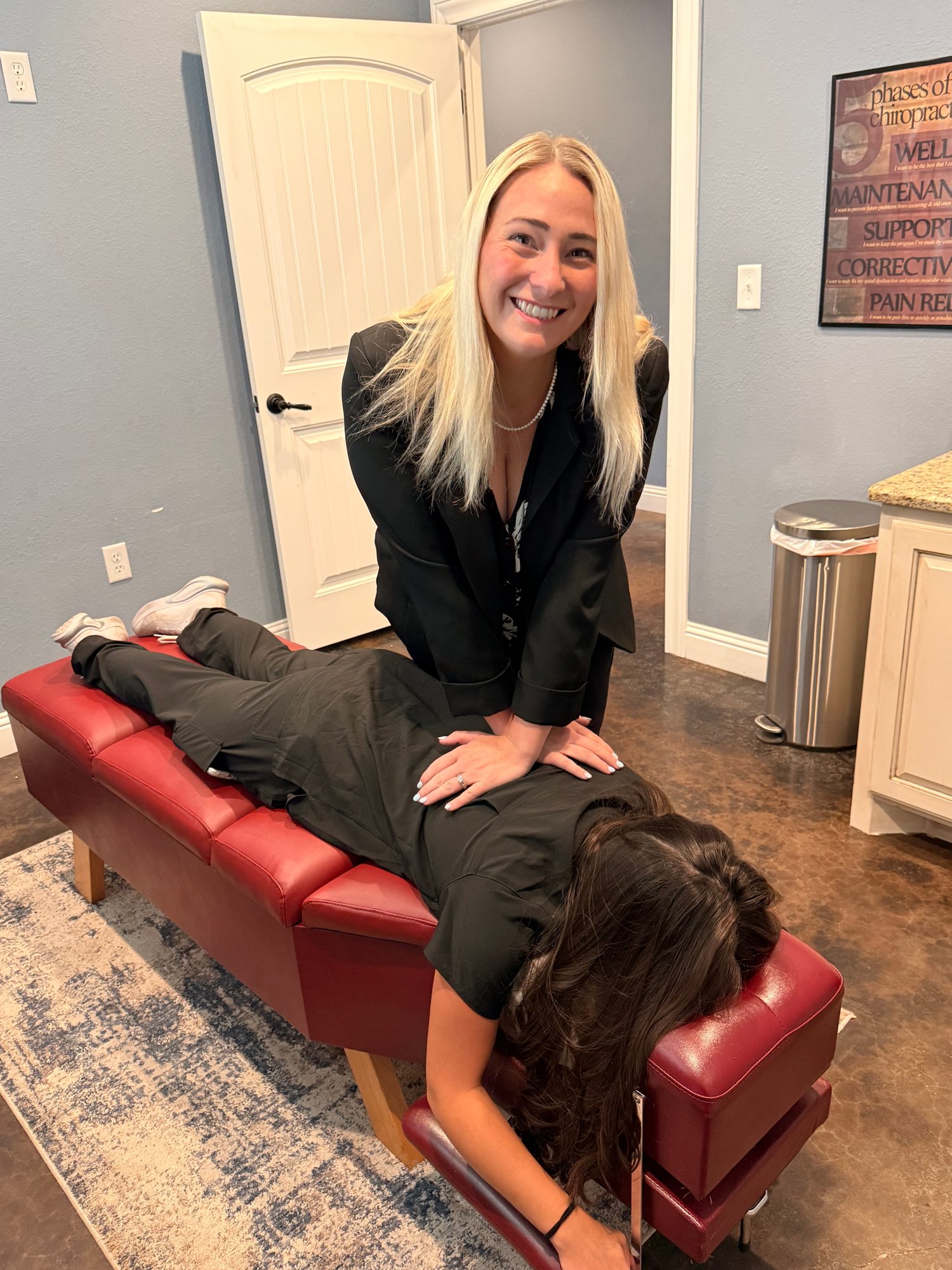
What people describe
The neck and the head share their nerves.
The top three joints of the neck share nerve pathways with the head and face, which is why restriction there can be felt behind the eye or across the scalp. It is also why the pain often responds to work on the neck rather than to another prescription.
- Pain starting at the base of the skull and spreading forward
- A band of pressure around the head, or behind one eye
- Neck tension and shoulder pain arriving with the headache
- Headaches after screen work, driving, or a night in a bad position
- Light or noise sensitivity, nausea, needing to lie down
- Dizziness alongside the headache
If your headaches have already been investigated and nothing turned up, the neck is worth examining before you accept this as permanent.
How we work
Find out whether the neck is involved.
Dr. Morgan’s standard is plain: we only accept patients for care when we believe we have found the underlying cause, and we only continue care when we are helping.
01
We take the pattern seriously
When they hit, how long they last, what you were doing beforehand, what helps. Headache patterns carry most of the diagnostic information.
02
Then we examine the neck
Range of motion, joint restriction, muscle tension through the neck and shoulders, and x-rays where they are warranted.
03
You get told what we found
Including whether we think the neck is actually the source. If it is not, that is worth knowing too, and we will say so rather than treat you anyway.
04
Care starts, and gets reviewed
We track frequency, not just intensity. Fewer headaches is the goal, and it is a measurable one.
Your first visit
Bring what you have.
- Insurance card and driver’s license
- A list of the medications you take
- Previous medical records
- Previous x-rays, MRI or CT scans
If you have been chasing this a while
These help us most.
- A rough count — how many headache days in a typical month
- What you have already tried, and what it did
- Any imaging or neurology reports, even if they were normal
- Medications, including anything taken for the headaches
- Whether anything reliably triggers them
A headache diary is genuinely useful and nobody ever has one. Even a note on your phone for two weeks before the appointment tells us a great deal.
Patient stories
What changed for them.
“Since going to Advanced Chiropractic they have helped my headaches and dizziness a lot.”
Damaris Williams
Headaches and dizziness
“Before I started my treatments with Dr. Morgan I had a hard time standing up properly due to muscle cramps as well as a stiff and sore neck. After several treatments with Dr. Morgan, I can walk longer distances without pain and I no longer have neck pain or cramps in my back.”
J. R. Shirley
Neck pain and muscle cramps
Tell us how often they come.
Call and describe the pattern. We will get you in, examine the neck properly, and tell you honestly whether we think we can help.